

Local Tech Support: 7 Reasons to Choose Local

Table of Contents
Why Local Tech Support Matters for Your Devices
Faster Response Times and Same-Day Service
On-Site Troubleshooting and Hands-On Support
Benefits of Onsite Computer Repair for Your Business
Local vs Remote IT Support: What Works Best
Building a Relationship With Your Local Tech Support Team
Data Security and Compliance in Local Repair Services
Conclusion
Last Updated: August 20, 2026
Why Local Tech Support Matters for Your Devices
When your laptop crashes or your phone screen shatters, the instinct is often to ship it off to a big-box retailer or mail it to some distant repair center. But there's a reason why local tech support has remained relevant even as national chains have proliferated. The real difference between local and remote support comes down to speed, accountability, and the kind of hands-on problem-solving that only someone physically present can deliver.
Local tech support means someone who understands your specific situation can walk into your office or home, diagnose the problem in real time, and often fix it before you've finished your coffee. At PHONEPROBS, we've seen firsthand how this approach transforms the repair experience for customers who need their devices working again, not in three to five business days, but today.
The benefits extend beyond speed. Local providers build relationships with their customers, maintain inventory specific to common local needs, and can handle edge cases that automated remote support simply can't address. They're invested in your satisfaction because you're their neighbor, not just a ticket number in a queue.
Faster Response Times and Same-Day Service
Same-day repairs aren't a luxury when your business depends on your devices. Local tech support providers typically deliver turnaround times that national chains struggle to match, often completing repairs within hours rather than days.
The speed advantage comes from several factors. Local shops don't have to wait for devices to be shipped, logged into a central system, diagnosed by someone unfamiliar with your equipment, and then shipped back. Instead, a technician can examine your device immediately, order parts if needed from local suppliers, and complete the work while you wait. For common issues like screen replacements, battery swaps, or software troubleshooting, this means you're back online the same day you walk in.
What most guides miss is that same-day service also reduces the total cost of downtime. A business owner without a laptop for five days loses productivity, misses client calls, and falls behind on deadlines. That cost often exceeds the repair fee itself. Local providers understand this pressure and prioritize getting you back up and running.
Pro Tip When you need same-day service, call ahead with a description of the problem. Local shops can often set aside time for urgent repairs and give you a realistic timeframe before you even arrive.
On-Site Troubleshooting and Hands-On Support
Not every problem requires a trip to a repair shop. Local tech support providers often offer on-site visits where technicians come to your office or home, diagnose issues directly on your equipment, and fix them in their native environment.
On-site support matters because some problems only surface in your actual setup. Software conflicts, network issues, hardware interactions with your specific peripherals, these often can't be replicated in a shop environment. A technician who sits down at your desk, watches how you work, and tests solutions in real time catches problems that remote support would miss entirely.

On-site work also builds trust. You see exactly what the technician is doing, understand the problem, and watch the solution being implemented. There's no mystery, no guesswork about whether the repair actually addressed your issue. For businesses managing multiple devices or complex setups, this transparency is invaluable.
The benefits of onsite computer repair extend to documentation. A technician working on your premises can show you how to prevent the problem in the future, explain what went wrong, and recommend upgrades or changes to your setup that would improve performance. That education is worth as much as the repair itself.
Key Takeaway On-site support works best for complex issues, network problems, or situations where your specific environment is part of the problem. For simple replacements (screens, batteries), shop-based service is usually faster.
Benefits of Onsite Computer Repair for Your Business
When you operate a business that depends on computers and devices, downtime isn't just inconvenient, it's expensive. The benefits of onsite computer repair go beyond getting your equipment fixed; they address the operational reality of running a business where tech failures cascade into lost revenue.
First, there's the continuity factor. A technician who comes to your office can prioritize your most critical systems, work around your schedule, and minimize disruption to your team. Remote support providers work on their schedule; local providers work on yours. If your main server is down, a local tech can be there within hours, not days.
Second, onsite repair allows for immediate testing in your actual environment. Does the fix work with your specific software stack? Does it integrate with your existing hardware? These questions get answered in real time, not after you've paid for a repair and discover it doesn't solve your problem.
Third, local providers understand local business challenges. They know the humidity issues in certain buildings, the power stability problems in specific areas, the network congestion during peak business hours. They've solved these problems for other local businesses and can apply that knowledge to your situation.
For small business owners, onsite support also means you're not losing staff time to travel. Instead of sending someone to a repair shop, waiting for diagnostics, and coordinating pickup, the technician comes to you. Your team stays productive while the problem gets fixed.
Local vs Remote IT Support: What Works Best
The choice between local and remote IT support isn't always straightforward. Each approach has genuine strengths, and the best solution often depends on what you're trying to fix.
Remote IT support excels at software issues, configuration problems, and situations where the technician needs access to your system but doesn't need to physically touch hardware. A technician in another state can remove malware, install software, troubleshoot network settings, and provide ongoing monitoring without ever leaving their office. For routine maintenance and non-urgent problems, remote support is often faster and cheaper.
Local IT support dominates when hardware is involved. A broken screen, a failed hard drive, water damage, a malfunctioning keyboard, these require physical presence. Local support also wins for complex diagnostics where the technician needs to see your setup, understand your workflow, and test solutions in your actual environment.
The real difference comes down to relationship and accountability. Remote support is transactional; you get help with a specific problem and then you're done. Local support is relational; the provider has a reputation to protect in your community and is invested in your long-term satisfaction. If something goes wrong, you know where to find them.
Many businesses use both. Remote support handles software and monitoring; local support handles hardware and complex issues. The hybrid approach gives you speed for routine problems and expertise for difficult ones.
Watch Out Avoid choosing solely based on price. The cheapest remote support provider might not be available when you need them, and saving $50 on a repair isn't worth losing three days of productivity.
Building a Relationship With Your Local Tech Support Team
The best tech support relationships develop over time, not through a single transaction. When you work with the same local provider repeatedly, they learn your systems, understand your priorities, and can often solve problems faster because they already know your setup.
This relationship element matters more than most people realize. A technician who has serviced your equipment before knows what upgrades you've made, what software you're running, and what problems you've experienced in the past. That history is invaluable when diagnosing new issues. They can spot patterns, anticipate problems, and recommend preventive measures based on actual experience with your devices.

Local providers also build relationships with their suppliers, which translates to better parts availability and faster service for you. If you need a specific component, they know exactly who to call and can often get it the same day. National chains work through centralized distribution; local shops work through personal networks built over years.
There's also the accountability factor. When you know the owner or primary technician by name, when you've built trust through multiple successful repairs, you're more likely to get priority service when you need it. That relationship is a form of insurance that national chains simply can't replicate.
For PHONEPROBS customers, this relationship building is central to how we work. We're not processing tickets; we're solving problems for people we see regularly in our community. That difference shows up in how we prioritize your repair, how thoroughly we diagnose issues, and how willing we are to go the extra mile to get you back online.
Data Security and Compliance in Local Repair Services
When you hand over a device for repair, you're entrusting someone with your data. Local repair services often handle data security more carefully than large national chains, partly because they're directly accountable to their community and partly because they understand the compliance requirements that matter to local businesses.
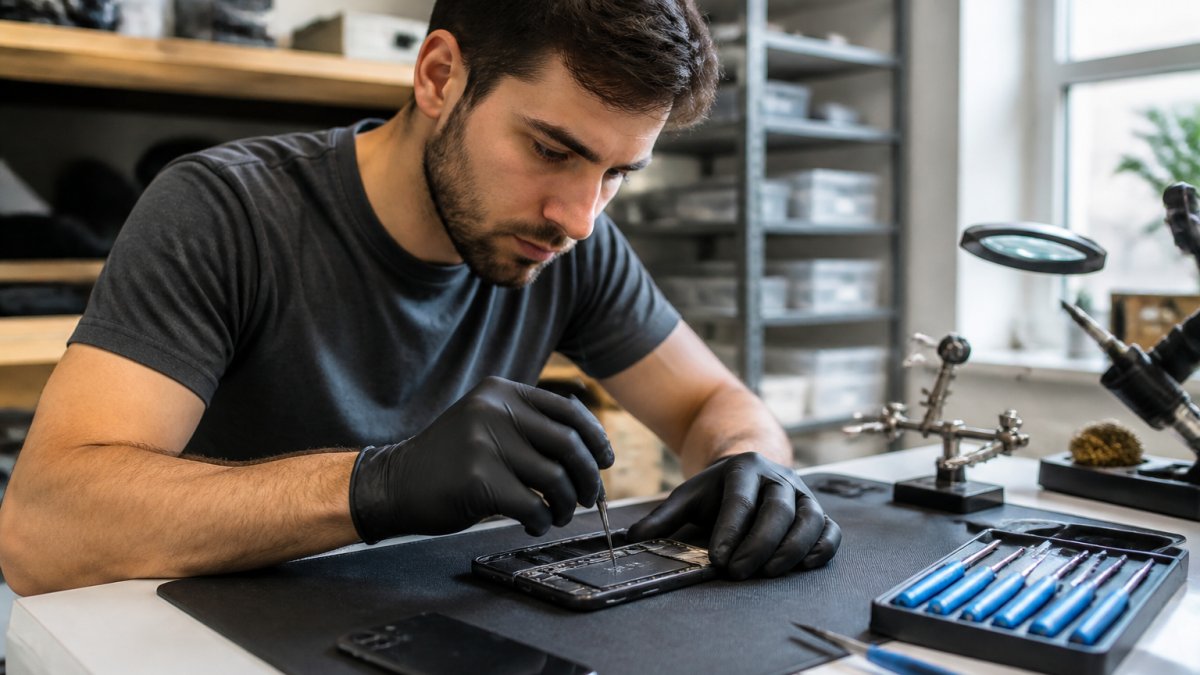
Data security in repair services involves several components. First, there's physical security: how the shop stores devices during repair, who has access to them, and how they prevent theft or unauthorized access. Local shops typically have tighter control over their workspace and can show you exactly where your device is during the repair process.
Second, there's data handling. Before any repair, a reputable local provider performs data backup or explains what data might be affected by the repair. They don't randomly delete files to "fix" a problem; they understand that your data is yours and treat it accordingly. For businesses handling customer information or sensitive documents, this care is non-negotiable.
Third, there's compliance. Depending on your industry, you might be subject to regulations about how your data is handled. HIPAA for healthcare, PCI-DSS for payment processing, GDPR for customer data, these requirements don't disappear when your device goes in for repair. Local providers who work with local businesses often understand these requirements and build their processes around them.
National chains sometimes treat compliance as an afterthought. Local providers treat it as a business necessity. If you're in an industry with data handling requirements, asking about a repair shop's compliance practices isn't paranoid; it's prudent.
Key Takeaway Before you hand over a device containing sensitive data, ask the repair provider about their data security practices, how they handle backups, and whether they can provide documentation of their process for compliance purposes.
Conclusion
The case for local tech support comes down to speed, accountability, and relationships. You get same-day service instead of waiting days for a mail-in repair. You get hands-on troubleshooting in your actual environment instead of generic remote support. You build a relationship with someone who understands your specific needs and has a reputation to protect in your community.
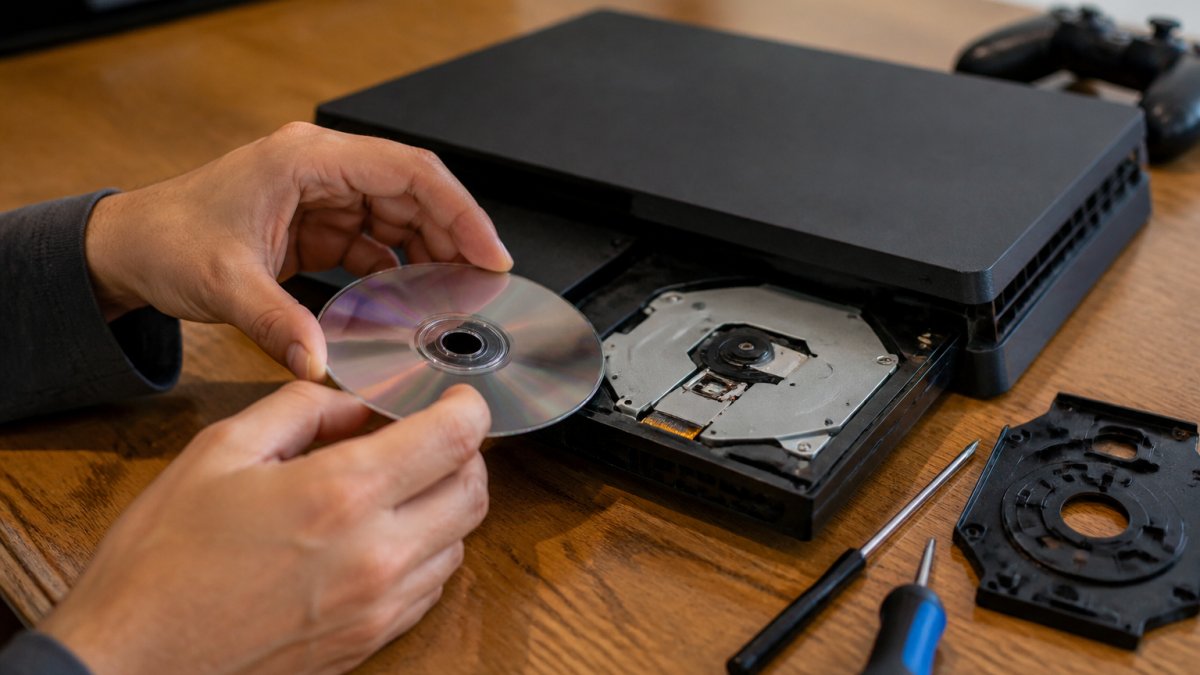
PHONEPROBS specializes in exactly this kind of local support. We repair phones, consoles, computers, and laptops with the kind of hands-on expertise that only comes from working directly with your devices. We offer quick repair quotes, same-day service for many common issues, and the kind of personalized attention that builds real relationships with our customers.
Your devices are too important to hand off to an impersonal national chain. Stop by PHONEPROBS today for a professional quote and let us handle your device needs with expertise.
Support Type | Best For | Typical Turnaround | Key Advantage |
Local on-site | Complex issues, business continuity | Same day | Hands-on in your environment |
Local shop-based | Hardware repairs, screens, batteries | Same day to next day | Fast, transparent, accountable |
Remote support | Software, configuration, monitoring | Hours to days | Convenient, available 24/7 |
National chains | Standard repairs, warranty claims | 3-7 days | Wide availability, brand recognition |
Frequently Asked Questions
What are the main benefits of local IT support?
Local IT support offers faster response times, personalized service tailored to your business needs, and technicians familiar with regional challenges. You get direct access to your support team, hands-on on-site troubleshooting, and the ability to build a lasting relationship with professionals who understand your specific setup. Local providers also offer better data security oversight since they physically handle your devices and can implement compliance measures relevant to your industry.
How does local tech support improve repair turnaround times for phone repair?
Local shops typically stock common parts and can often complete repairs the same day. Unlike mail-in services or remote diagnostics that require shipping and wait times, a local provider can perform on-site assessment, source parts quickly, and get your device back to you within hours rather than days. This speed is especially critical for professionals and students who depend on their devices for work or school.
Is local tech support more reliable than remote services?
Local tech support offers reliability advantages for hardware issues and complex diagnostics. Remote support works well for software troubleshooting but cannot handle physical repairs, water damage recovery, or hands-on data backup. A local provider can examine your device in person, test hardware components directly, and provide immediate solutions without the limitations of remote access or the risk of shipping damage.
Why should I choose a local shop for phone and laptop repairs instead of big-box retailers?
Local repair shops provide personalized attention, faster service, and expertise specific to your area's business environment. They often have lower overhead than national chains, can negotiate better pricing, and build long-term relationships with customers. Local providers also offer specialized services like water damage recovery and can handle gaming consoles and older devices that big-box retailers may not repair, plus you avoid the hassle of shipping or waiting for appointment availability.
BOOK YOUR REPAIR
This article was written using GrandRanker

Comments